Women's Health
Ayurvedic Treatment Approach for PCOD: Diet, Herbs, and Panchakarma
Ayurvedic Treatment Approach for PCOD: Diet, Herbs, and Panchakarma. What is PCOD? Polycystic Ovarian Disorder (PCOD) is a condition which affects women of reproductive age. The disorder…
- Published February 19, 2026
- 6 minutes read
- Medically reviewed
- By Dr. Amita Abrol
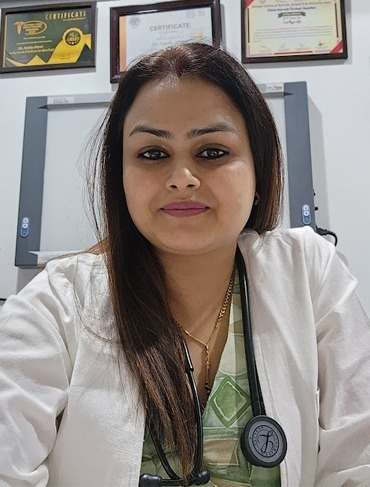
Personally supervised by Dr. Amita Abrol
Gold Medalist BAMS · MS Gynaecology & Obstetrics · 14+ years experience
In This Article
What is PCOD?
Polycystic Ovarian Disorder (PCOD) is a condition which affects women of reproductive age. The disorder is seen in an estimated 4% – 36% women worldwide, and in 9%-36% of women in India. It presents with a number of small or immature follicles which develop into cysts in the ovary, enlarging it and resulting in excess production of male hormones (androgens).
The disease is also associated with many metabolic problems related to insulin resistance, which also forms a key aetiological and pathophysiological agent for the disease. The lack of response for insulin will lead to a large extent of co-morbidities such as abnormal cholesterol levels, Type 2 Diabetes, fatigue and obesity and a higher risk of cardiac problems. Women suffering from PCOD may find it difficult to conceive, and present with irregular periods, unintended weight gain and other health problems. The current allopathic management involves hormonal therapy and drugs, where Metformin is the second most common drug used for improving insulin sensitivity.
Role of Digestion and Metabolism in PCOD
Digestion and metabolism have a crucial role to play in PCOD because this disorder is caused by malfunctioning of the metabolic pathways and insulin resistance.
Metabolic abnormalities in PCOD:
- Impaired insulin responsiveness leading to an overactive pancreas, leading to excess insulin production, which in turn leads to excess production of androgens.
- Fatigue and sluggishness may result in weight gain and further worsens hormonal imbalance.
- Wear and tear – ongoing inflammation may lead to symptoms worsening.
How digestion affects PCOD:
- Blood Sugar management: Consuming low Glycemic index foods such as pulses, grains, and vegetables helps in releasing sugar slowly into the bloodstream, thus preventing the body from sharp insulin reactions.
- Gut health and inflammation: A diet rich in fiber helps digestion, and when combined with healthy fats will go a long way in reducing inflammation often seen in PCOS.
- Absorption of nutrients: Proper digestion helps with good absorption of nutrients which is essential for hormonal health and balanced metabolism.
- Symptom relaxation: Good digestion will ease the bloating, gas and other digestive issues common with PCOD.
Ayurvedic Treatment Approach for PCOD: Panchkarma
The panchkarma treatment protocols are based on the idea of restoring balance of the optimum Vata function while removing the blocked energy channels.
The treatment plan begins with dry friction massages such as Udvartanam or using herbal powder massage (Potali) applications which have the aim of cleansing the lymphatic channels and removing the lipid-based toxins in the accumulated Kapha. Post the cleansing of channels, patients are given medicated ghee or clarified butter (Ghee) massage over 4-5 days which allows the adherence of fat-based toxins and is followed by Vamana (Emetic) which removes the toxins.
Vamana eliminates Kapha at the sheet or primary site of action, thereby weakening Kapha blockages throughout the body, especially in the uterine region. Virechana (purgation therapy) may be given if required, but is not typically prescribed for PCOD as it does not directly address the predominant pathologies causing Kapha imbalance in this case.
Post Vamana, patients are given Basti (medicated enema) treatments. In those who are not candidates for the emesis therapy, or are uncomfortable with it, Basti treatment is performed as the primary action, skipping the emesis treatment. Basti treatments are administered at the region of pathological accumulations in the ovary/uterus. Since the Kapha has been already mitigated through Vamana, this manifestation is then medicated and purged over the course of 7-10 days.
The process ends with a Nasya (nasal medication) treatment that stops hormone release and secretion. The treatment takes 3-4 weeks and is followed by herbal medicines that are taken for several months for further strengthening of the effects. Those who are not candidates for panchkarma treatments are treated with medications orally.
Diet and Daily Routine Suggestions
From an Ayurvedic point of view, a diet that is high in sweet and salty tastes will increase the Kapha dosha while creating blockages of the channels and congesting the body. It is therefore recommended to cut down on sugar, cereals such as bread, processed grains, starch, heavy vegetables such as carrots, potatoes and tubers, dairy products and excessive salt.
Instead, diets rich in millet varieties which are low in GI and useful for energy sustenance is recommended. A pinch of Triphala before retiring to bed can help. Lentils are also advisable. Other recommended fruits and vegetables are green leafy vegetables and teas.
Alternatives would be to perform regular exercise which helps induce sweating and aid weight loss while regulating insulin levels. Yoga poses such as Dhanurasana (Bow pose), Bujangasana (Cobra pose), and Paschimuttanasana (Seated forward) can help normalize hormone function, reduce cardiac load and stress.
Ayurvedic Routine (Dinacharya)
Morning Habits: Warm water, lemon, or a decoction of fenugreek seeds soaked overnight.
Meals: Have a set eating routine. Have lunch before 2 pm and supper must be finished by 8 pm, with at least 2 hours gap before going to sleep.
Physical activity: Do light to moderate exercise, such as walking each day until you perspire to burn off excess Kapha and increase your body’s sensitivity to insulin.
Yoga & Meditation: Use self-initiation, including Surya Namaskar, Bhujangasana (cobra pose) and relaxation methods such as meditation techniques to decrease cortisol.
Herbs & Supplements: Herbs known to balance blood include Triphala, Shatapushpa (fennel) and Shatavari among others. Ayurvedic herbs that are nourishing and blood purifying. Kachnaar Guggulu is also commonly prescribed in PCOD to help reduce ovarian cysts, manage glandular swellings, and balance Kapha-related hormonal imbalances.
Sample Meal Plan Ideas
Breakfast: Cinnamon millet porridge, or soaked almonds.
Lunch: Brown rice/quinoa, dal, steamed vegetables, and a teaspoon of ghee.
Dinner: Light meals such as soups, dal, or vegetable stew.
Expected Treatment Timeline
- 4 – 6 weeks: Initial improvements in digestion, absorption, feeling of well-being, and reduction in metabolic waste products (Ama).
- 6 – 8 weeks: Improvements in menstrual regularity.
- 3 – 6 months: Restoration of hormonal balance, reduction in ovarian cyst size, improved ovulation, and reduction of acne and hair loss.
- 6 – 12 months (or more): Control and management of long-standing and persistent presentations of PCOD.
Conclusion
PCOD is more than a hormonal problem; it is also an imbalance in metabolic function that has roots in both dietary and lifestyle factors. In Ayurveda, the emphasis is on identifying and treating the underlying cause through enhancing digestion (Agni), performing the correct types of therapy to balance both Kapha and Vata energies, removing obstructions from channels, and returning the body’s natural reproductive rhythm.
Long-term solutions to problem such as PCOD can be achieved through the use of Panchakarma therapies, herbal remedies, proper eating habits, adequate daily rituals, and yoga practice. Establishing a routine that emphasises consistency and is supported by a qualified Ayurvedic practitioner is key for obtaining lasting results.
PCOD can successfully be treated by utilizing the correct kinds of therapies and taking a holistic approach to behaviours so that women can stabilise their hormones and achieve optimal health naturally, with the use of natural medicines.
Have questions about your own symptoms?
Every case is different. Book a consultation with Dr. Abrol for a treatment plan personalised to your Prakriti and health history.
In This Article
Book a Consultation
Get a personalised Ayurvedic treatment plan from Dr. Abrol - in clinic or online.
Dr. Amita Abrol
Gold Medalist BAMS, MS Gynaecology
Continue Exploring
Related Treatments & Conditions
Keep Reading
More on Women's Health
Ready to Start Your Ayurvedic Healing Journey?
Book a clinic visit or online consultation with Dr. Abrol, based on what you've just read.