Gynaecology
Endometriosis & Adenomyosis
Restoring hormonal balance and reproductive health, naturally.
- Gynaecology
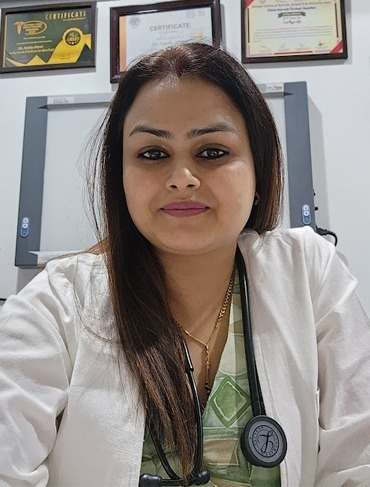
Personally supervised by Dr. Amita Abrol
Gold Medalist BAMS · MS Gynaecology & Obstetrics · 14+ years experience
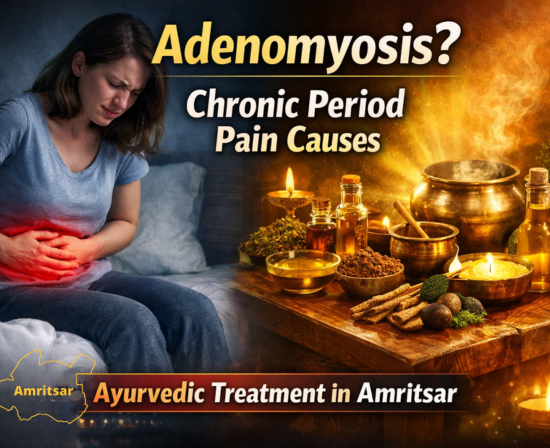
Endometriosis is when tissue resembling the uterine lining is found outside the uterus, causing pain and an inflammatory reaction. Adenomyosis is when such tissue is located within the uterine muscle wall, causing heavy and painful bleeding during periods.
In Ayurveda, both are considered disorders of Artava Dushti, resulting from an imbalance of Vata and Pitta doshas, weak digestion (Agni), and the presence of toxins (Ama). If Vata is disturbed, it causes pain and abnormal tissue movement; an aggravated Pitta causes inflammation and increased bleeding. Recovery involves correcting these root imbalances with a personalised course of treatment, diet and lifestyle regulation, herbal support, and Panchakarma where needed.
Recognise the Signs
Common Symptoms
-
Severe menstrual pain that can progress and interfere with daily life
-
Heavy or prolonged periods, which may cause fatigue or anaemia
-
Fertility challenges, including difficulty conceiving
-
Pain during intercourse and deep pelvic pain
-
Chronic pelvic pain before, during, or after menstruation
-
Fatigue and digestive discomfort
Our Treatment Approach
How We Treat Endometriosis & Adenomyosis
Agni Deepana & Ama Pachana
Stimulating the digestive fire and ridding the body of accumulated toxins.
Herbal Support
Ashoka (supports uterine health and controls excessive bleeding), Lodhra (astringent, anti-inflammatory for heavy flow), Shatavari (rejuvenative for hormonal balance), Dashmool (calms Vata and inflammation), and Guggulu preparations (treat abnormal tissue growth and aid detoxification).
Panchakarma Therapies
Basti therapy calms aggravated Vata; Virechana (therapeutic purgation) corrects Pitta dosha when indicated, alongside local uterine therapies.
Learn about VastiDiagnosis & Diet
Nadi Pariksha (pulse reading) and Prakriti/Dosha testing guide the plan; anti-inflammatory, warm foods are recommended while avoiding processed and cold foods, alongside yoga, pranayama, and stress management.
Learn about Nadi Pariksha
How It Works
Your Treatment Journey
-
1
Book & Share Your History
Choose a clinic visit or online consultation. Share your medical history, reports, and health concerns in advance.
-
2
Consultation & Diagnosis
Dr. Abrol examines you in person or via video - including traditional Nadi Pariksha (pulse diagnosis) where relevant - to understand your Prakriti and current imbalance.
-
3
Personalised Treatment Plan
Receive a tailored herbal and Panchakarma plan, with clear timelines and expected outcomes.
-
4
Guided Recovery & Follow-up
Ongoing support through your treatment course, with follow-up consultations to track your progress.
Ready to start your healing journey?
Consult Dr. Amita Abrol - Gold Medalist BAMS, 14+ years experience. Online consultations available for patients worldwide.
Book a Consultation
Clinic in Amritsar or online - your choice.
Dr. Amita Abrol
Gold Medalist BAMS, MS Gynaecology
Common Questions
Endometriosis & Adenomyosis - Frequently Asked Questions
Herbal treatment must always be guided by a specialist based on individual constitution and condition - never self-prescribed.
Continue Exploring
Related Conditions
From Our Blog
Learn More About Endometriosis & Adenomyosis
Start Your Natural Healing Today
14+ years of Ayurvedic expertise. 210+ certifications. Trusted by patients across India and worldwide.