47/6 Krishna Square 2 Batala Road B/s Celebration Mall, Amritsar

info@drabrolayurveda.com

Ayurvedic Treatment for Irregular Periods: Natural Cycle Balance

Irregular periods can affect your mood and you can also suffer from physical symptoms. If your menstrual cycle varies or fluctuates in any manner, you can expect that you will experience stress, anxiety and problems with fertility and overall health. It is quite common that irregular menstrual cycles are disregarded or even forgotten in the course of several years by women, not realizing that it is the way their body is signaling an internal imbalance.

Our team of experts considers irregular periods to be more than just a monthly problem. They indicate hormonal, metabolic, and lifestyle changes caused by the body. Using the combined method of Ayurvedic treatment for irregular periods along with medical care, we do not give temporary relief but get to the bottom of the issue.

What Are Irregular Periods?

Irregular periods are defined as any departure from the usual menstrual pattern. Such variation could be in the length, flow, or frequency of the cycle. A normal menstrual cycle generally lasts 21 to 35 days, and this is when the actual bleeding is 37 days. Not having regular periods or having heavy or abnormally light periods for a few months is the sign of abnormal menstrual cycle.

According to Ayurveda, it is an indication that the body is not in a balanced state if a person has irregular periods. These three main energies (doshas) Vata, Pitta, and Kapha that are responsible for movement, digestion, and structure, when disturbed, the body’s natural rhythm starts to get affected. Inefficient digestion makes room for toxins to accumulate, which can very slowly and silently interfere with hormones and reproductive health. In order to get back to a cycle of regular menstruation, Ayurveda works on the principle of making digestion strong, doshas getting calm and mental and physical harmony being restored.

Understanding Irregular Periods: Modern & Ayurvedic View

Modern Medical View

As per medical science, irregular periods causes are most frequently linked to:

  • Imbalances in such key hormones as estrogen, progesterone, and thyroid hormones
  • Chronic Stress and Emotional Pressure
  • Inadequate Sleep and Nutrition Deficiencies

Ayurvedic View

According to Ayurveda, irregular periods Ayurveda signifies a disorder of the body’s internal rhythm, predominantly caused by an imbalance of the three doshas—Vata, Pitta, and Kapha.

More than anything else, the following are emphasized:

  • Agni (digestive fire) a weak digestion will inevitably lead to the accumulation of toxins (Ama)
  • Hormonal balance and proper nourishment of the tissues
  • Mindbody equilibrium

When digestion, metabolism, and hormonal imbalances are present it is common for a woman to experience menstrual irregularities.

Common Symptoms of Irregular Periods

One of the common symptoms that women experience in an irregular periods are in the following:

  • Delayed or missed periods
  • Cycles being too early or very frequent
  • Heavy flows or, on the contrary, extremely scanty ones
  • Spotting or heavy bleeding other than during periods.
  • Pain associated with menstruation often comes with the following symptoms: negative mood, stress and abdominal fat.

Being able to recognize these symptoms as they occur allows us to start treatment sooner, which gives us a better chance of achieving a good outcome long after the initial start of treatment.

Major Causes of Irregular Periods

The Irregular menstruation does not have only a single point of origin but it can be caused by a variety of factors such as:

  • Hormonal imbalance causing changes that affect ovulation
  • Long-lasting stress and periods
  • PCOS and thyroid issues
  • Rapid increase or decrease in the body weight
  • Indigestion and eating unhealthy products
  • Overdoing sports and having an irregular

Dosha Imbalance & Menstrual Health (Ayurvedic Insight)

Ayurveda categorizes the imbalance of the doshas into the three different categories which are  listed in the above: 

  • Symptoms of Vata Imbalance (vata imbalance period): It includes the Late Periods, Painful Periods, Irregular Cycles, dryness, and anxiety.  
  • Symptoms of Pitta Imbalance (pitta imbalance menstruation): It includes the Heavy Bleeding, Early Cycles, Body Heat and burning sensations, and mood changes like anger/irritation.  
  • Symptoms of Kapha Imbalance: Which may include the Missed Periods, a Slow and Sluggish Menstrual Flow, Weight Gain and Lethargy(constant feeling of tiredness).

Understanding about your dosha pattern is vital because it helps us to guide about the right care and treatment.

Irregular Periods in Different Stages of Life

  • Adolescence: As the new hormones begin to be produced in greater amounts, irregular periods in teenage girls are not unusual, as the body gradually adjusts to establishing a regular menstrual cycle.
  • Reproductive years: After the 30 years of age women start facing daily stress, work pressure, changes in food intake, and lack of sleep which can very easily impact the monthly cycle and often contribute to irregular periods.
  • Perimenopause: During the transition period of a woman’s life when she approaches menopause then the irregularity of her menstrual cycle may be a result of the hormonal fluctuations.

In the case of Ayurvedic practices, the treatment is personalized based on the age, strength, and hormonal changes according to the woman.

Health Conditions Linked to Irregular Periods

PCOS(irregular periods and PCOS):

This causes irregular or no periods and also causes hormonal imbalances and inconsistent menstrual cycles.

Hormonal signaling and ovulation are disrupted by insulin resistance.

Uterine fibroids are capable of causing heavy, prolonged, or irregular bleeding as a result of the structural changes in the uterus.

Thyroid disorders (thyroid imbalance):

The irregularity in the periods and in flow can be caused by both hypothyroidism and hyperthyroidism.

Endometriosis may become a regularity of the cycle issue that also causes a painful pelvic area and inflammation.

Too much body fat affects the balance of estrogen; therefore, irregular cycles may be expected. 

How Irregular Periods Are Diagnosed

Diagnosis involves a combined medical and Ayurvedic assessment, focusing on the diagnosis of irregular periods through the following menstrual disorder tests:
• Detailed medical history and menstrual cycle tracking
• Hormonal and blood investigations
• Ultrasound imaging when required
• Ayurvedic evaluation, includingPrakriti and Dosha analysis

This integrated assessment helps identify both surface symptoms and root causes.

Treatment Approach: Medical + Ayurvedic Care

Addressing the irregular periods which requires an individualized approach through effective treatment for the irregular periods and especially with the Ayurvedic treatment for the irregular periods that are
• Lifestyle and nutritional correction
• Hormonal regulation when medically necessary
• Ayurvedic treatment irregular periods focused on balancing doshas
• Panchakarma therapies in selected cases
• Long-term monitoring and cycle regulation

The combination of this approach ensures the safety, effectiveness, and long lasting results.

Ayurvedic Diet, Lifestyle & Herbal Support

Ayurveda considers that minor, everyday practices significantly support the reproductive cycle of the body. The difference made by small, steady alterations can be very significant, forming the basis of an ayurvedic diet for irregular periods and a natural treatment for irregular periods.

Always opt for the food which is warm, nourishing, and easily digestible

Make sure to eat at the regular times and give priority to a healthy sleep

Gentle yoga and breathing exercises, besides being body workouts, are the natural ways of supporting hormone balance and peace within.

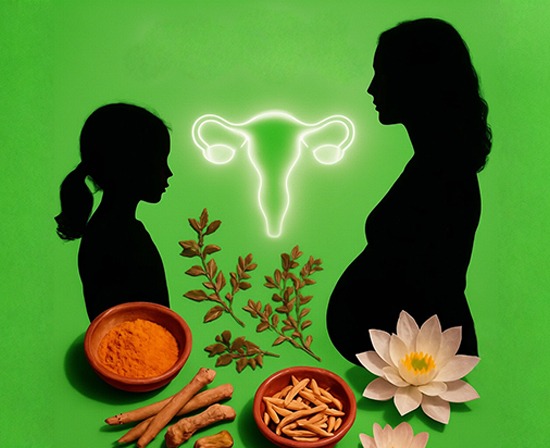
According to Ayurveda, when needing to improve the condition of a woman's menstrual cycle, certain herbs, such as Ashoka, Lodhra, Shatavari and Dashmool should be used.

Stress management is a fundamental action needed to take when one wants to care for mental health and the whole body.

Herbal medicines should always be taken under the guidance of a qualified practitioner.

When to Consult a Doctor

You should consult medical or Ayurvedic practitioners about when to see a doctor for irregular periods, especially under the following conditions:

Absences of one month or longer

Pain that impacts one’s activity level to this extent can

Excess or prolonged menstrual bleeding

Challenges with conception and infertility issues

Early evaluation can prevent complications in the long term.

Restore Menstrual Health Naturally & Safely

Natural and safe restoration of menstrual health involves a holistic approach to menstrual health care that not only treats the symptoms but also addresses the imbalances that caused them in the first place. By combining modern medicine with the ancient knowledge of Ayurveda, it is possible to pinpoint the main causes like hormone imbalance, digestion problems, stress and lifestyle disruptions. This combined approach not only helps women to manage irregular periods by natural cycle regulation, metabolic and hormonal balance, and reproductive health enhancement in a sustainable and personalized way but also strengthens overall reproductive health.